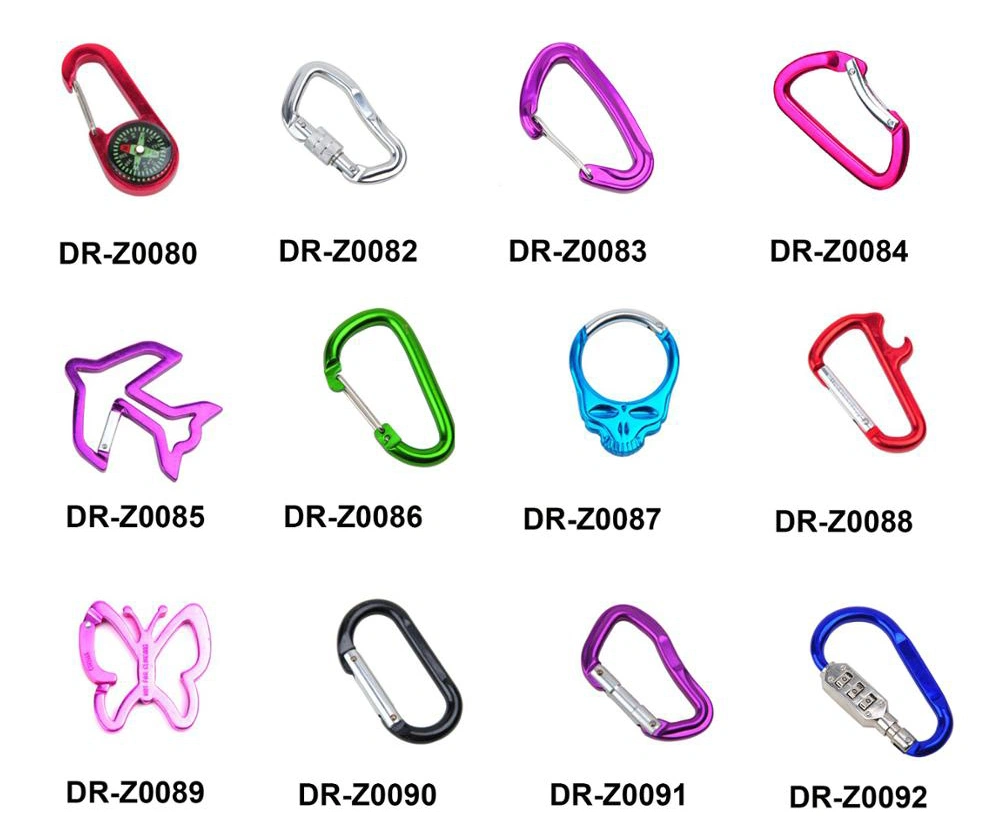
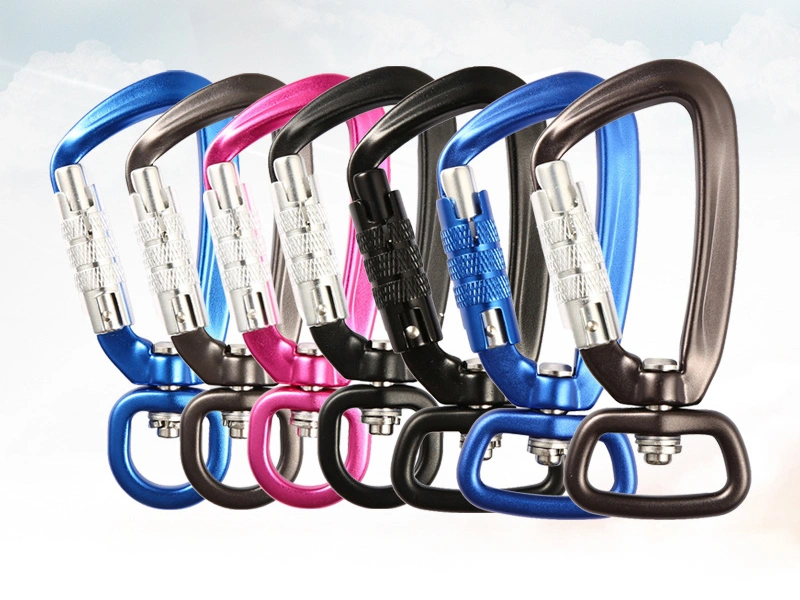
Carabiner keychains and traditional key rings both hold keys, but they are designed around different user needs. A key ring is compact and simple, while a carabiner keychain adds a spring-loaded gate for quick attachment to bags, backpacks, belt loops, and outdoor gear. This guide compares their design, convenience, size, materials, versatility, and customization potential. It also explains why an accessory carabiner should not be confused with climbing equipment and helps brands choose the righ
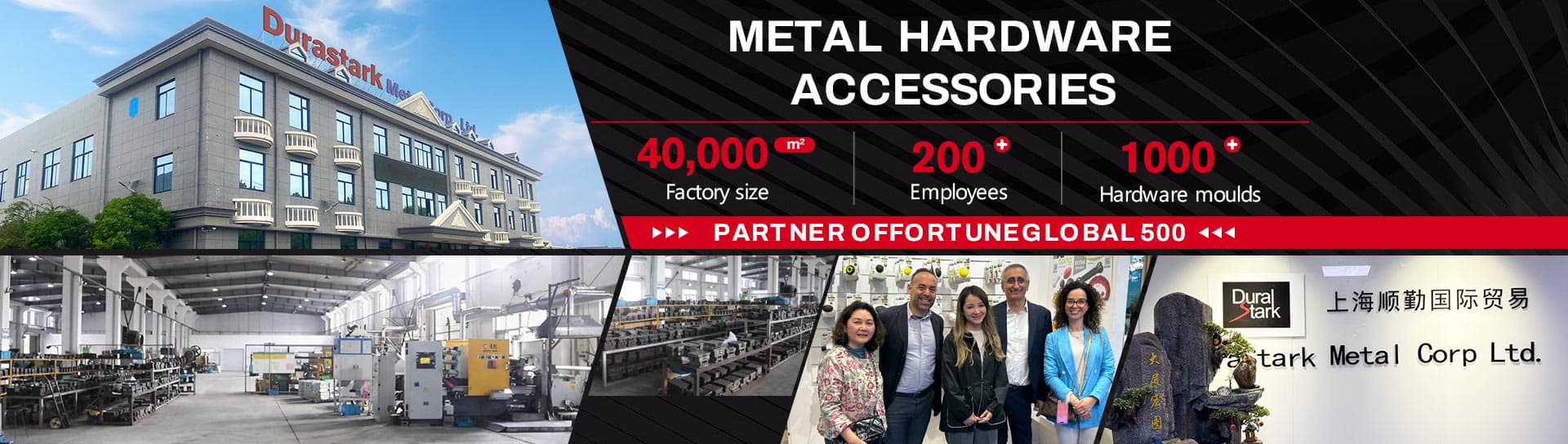
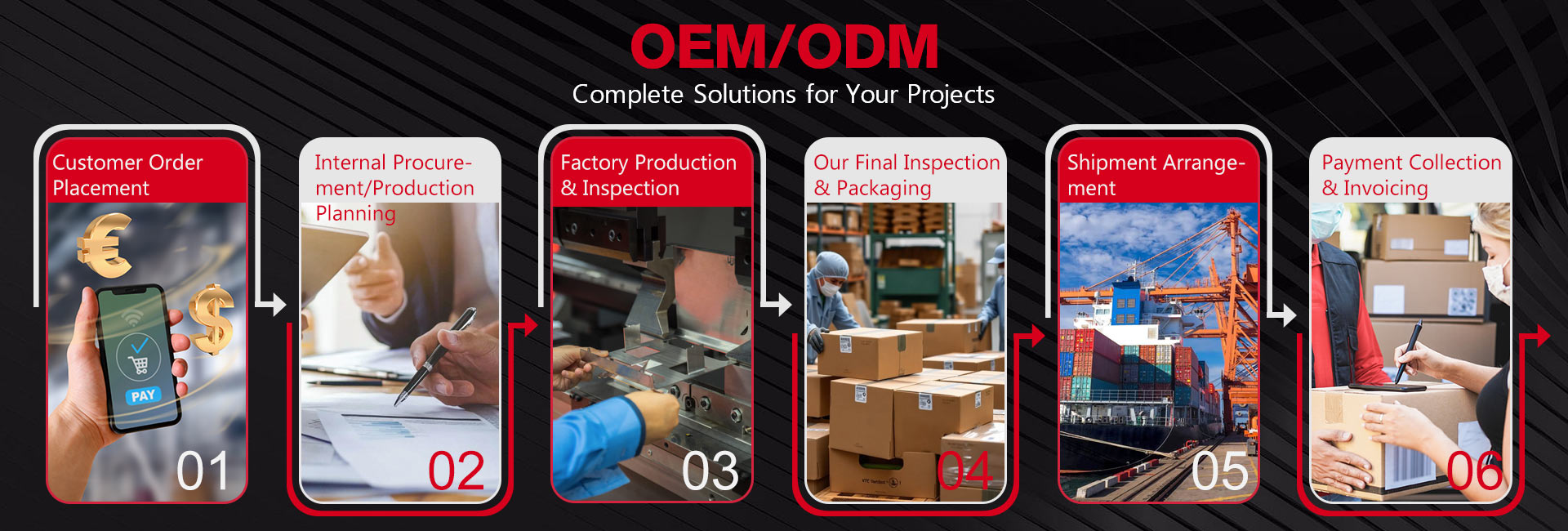
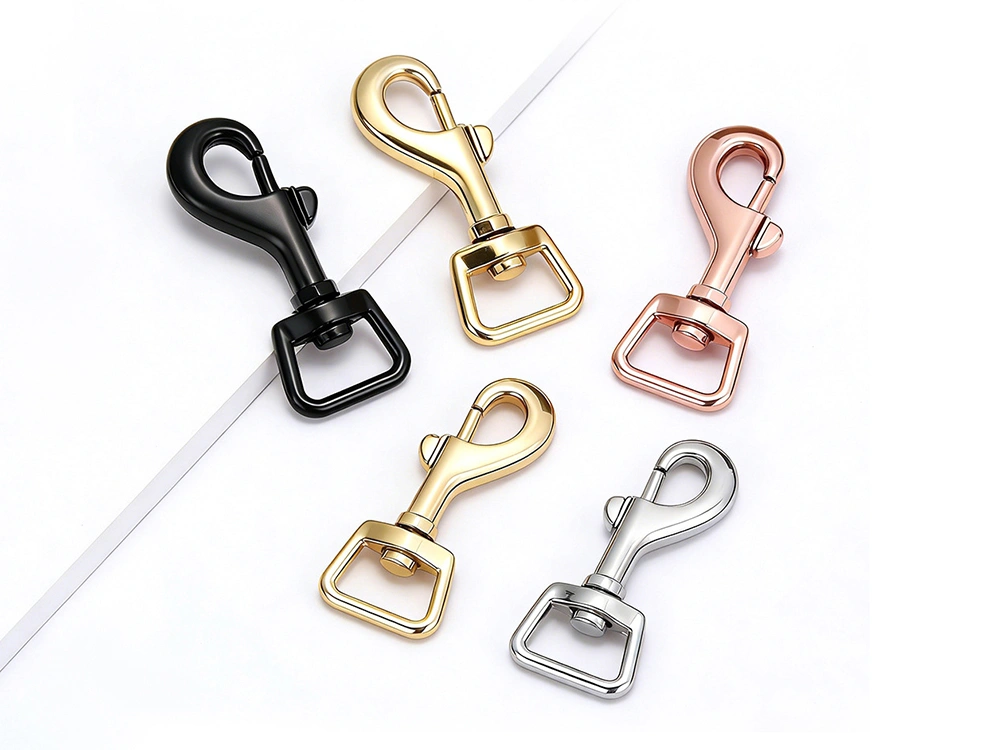
Custom zinc alloy buckles allow brands to create hardware that matches specific product designs, strap widths, logos, finishes, and functional requirements. A typical OEM project can move from design and engineering review to tooling, die casting, polishing, plating, inspection, and packaging. R&D support is especially useful when a design needs adjustment before production. DuraStark provides customized metal hardware development supported by an R&D team, more than 1,000 hardware molds, and a c
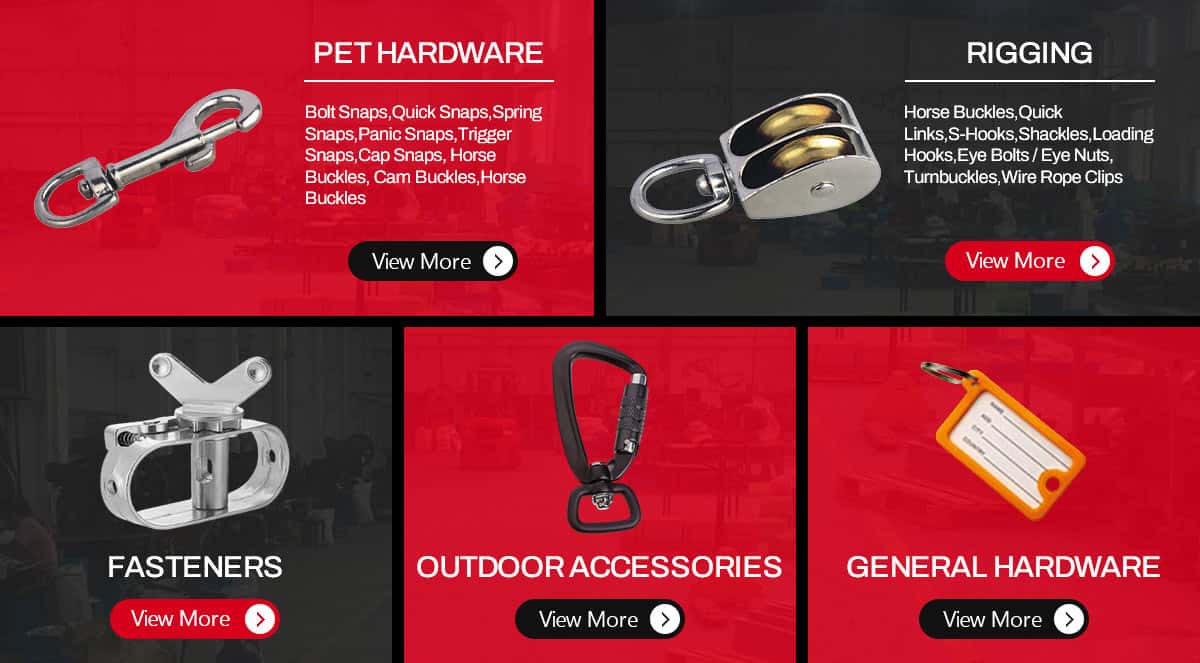
DuraStark Metal Corp., Ltd. will participate in the 140th Canton Fair in 2026, showcasing pet hardware, rigging hardware, outdoor accessories, carabiners, snap hooks, buckles, pulleys, and custom metal components. This article introduces the Canton Fair, DuraStark's manufacturing capabilities, materials, OEM services, and product range for international buyers. Learn how DuraStark supports custom hardware development, from product design and tooling to production and quality control, and discove
6061 and 6063 are two widely used 6000-series aluminum alloys, but they are suited to different manufacturing needs. This article compares their strength, extrusion performance, surface finish, corrosion resistance, machining characteristics, and common applications. 6061 is generally favored for stronger structural and machined components, while 6063 is well known for extrusion and attractive surface finishes. The guide also explains how material selection changes for outdoor hardware and carab