
-
Carabiner Keychain vs. Key Ring: What Is the Difference?
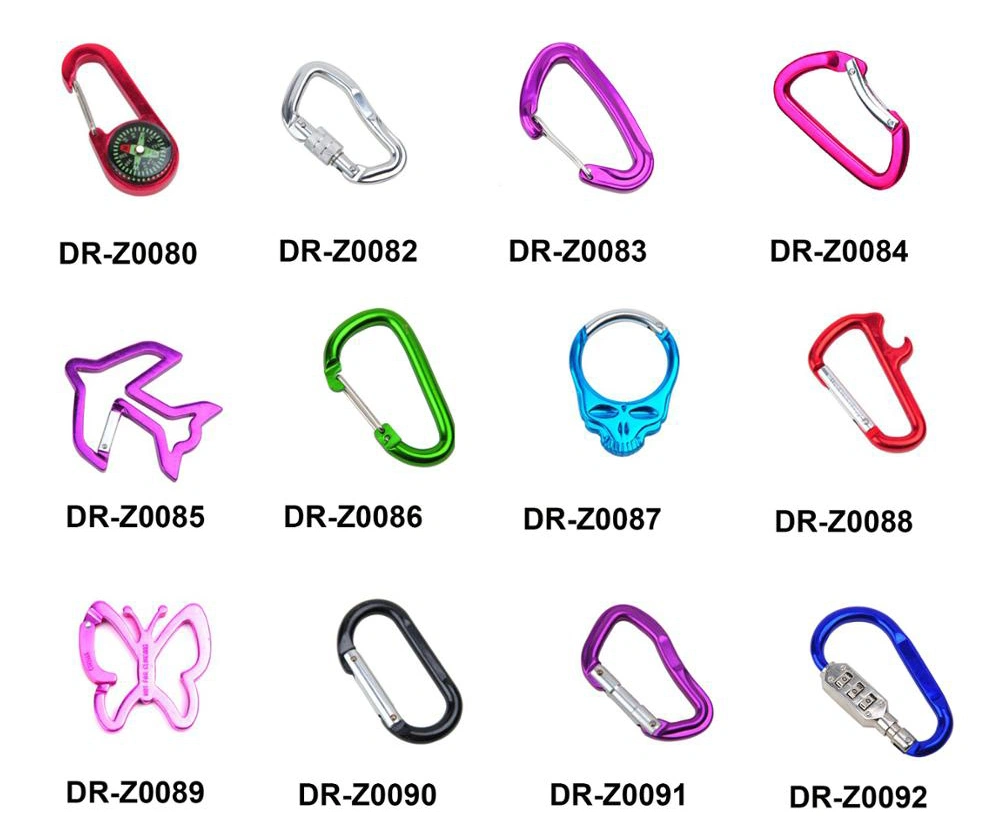
Carabiner keychains and traditional key rings both hold keys, but they are designed around different user needs. A key ring is compact and simple, while a carabiner keychain adds a spring-loaded gate for quick attachment to bags, backpacks, belt loops, and outdoor gear. This guide compares their design, convenience, size, materials, versatility, and customization potential. It also explains why an accessory carabiner should not be confused with climbing equipment and helps brands choose the right connector for a custom keychain product.【Detailed】
2026-10-14
-
6061 vs 6063 Aluminum: What’s the Difference?
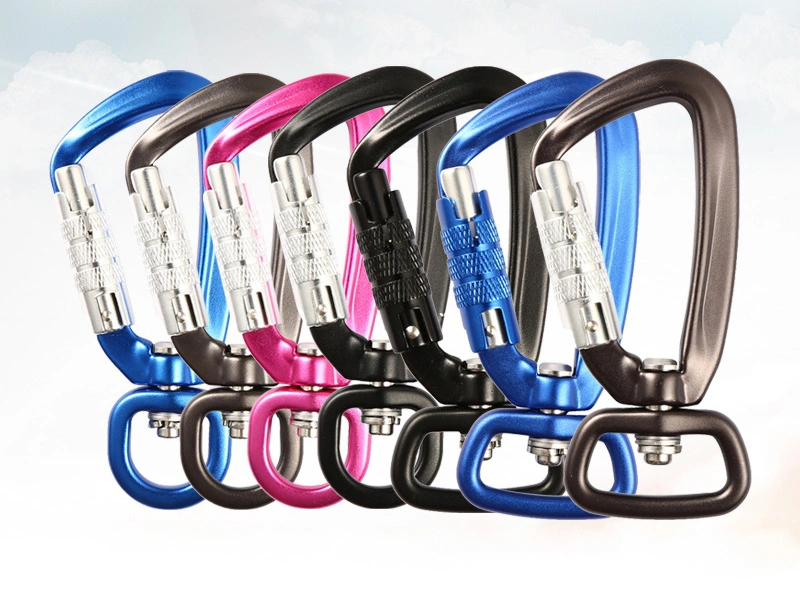
6061 and 6063 are two widely used 6000-series aluminum alloys, but they are suited to different manufacturing needs. This article compares their strength, extrusion performance, surface finish, corrosion resistance, machining characteristics, and common applications. 6061 is generally favored for stronger structural and machined components, while 6063 is well known for extrusion and attractive surface finishes. The guide also explains how material selection changes for outdoor hardware and carabiners, helping product designers choose an alloy based on actual performance and manufacturing requirements.【Detailed】
2026-08-28
-
What Is Alloy Steel? A Practical Guide to Composition, Types and Uses
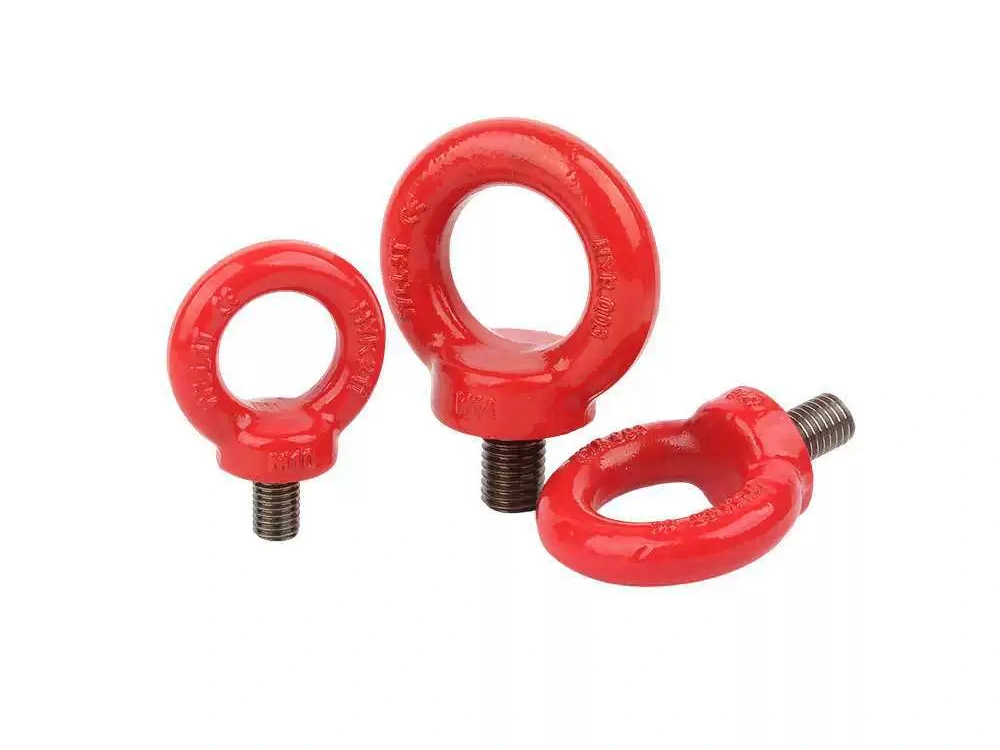
Alloy steel is a broad family of steel materials made from iron and carbon with additional alloying elements such as chromium, nickel, molybdenum, manganese, and vanadium. These elements can improve strength, hardness, toughness, wear resistance, and other properties. This guide explains what alloy steel is, how its composition affects performance, the main types of alloy steel, and how it compares with carbon steel and stainless steel. It also covers common applications and practical factors to consider when selecting an alloy steel grade for custom components.【Detailed】
2026-08-13
-
Custom Carabiner Keychain: A Guide for Outdoor and Lifestyle Brands
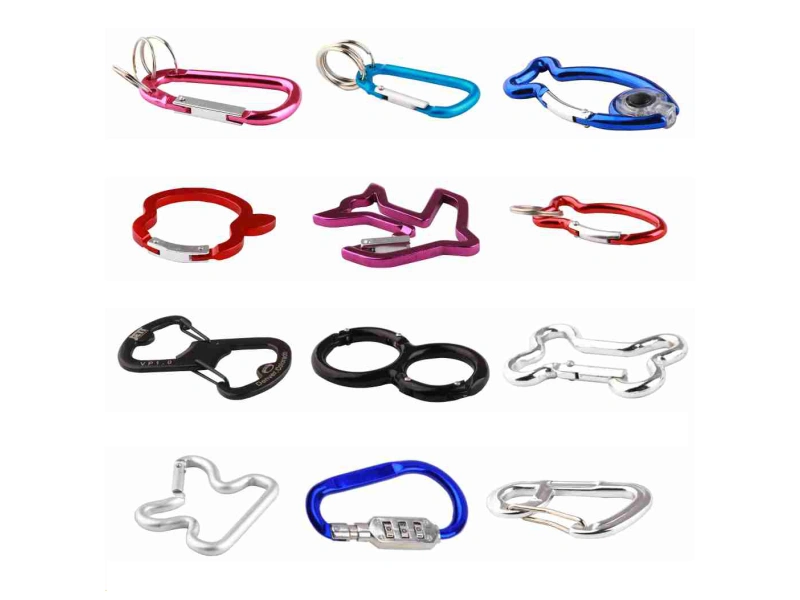
Custom carabiner keychains can combine everyday function with strong brand visibility. Outdoor, lifestyle, travel, pet, and promotional brands can customize the material, shape, finish, logo, gate design, and attachment components to match a finished product. This guide explains the main decisions involved in developing a custom carabiner keychain, from material selection and tooling to prototyping, finishing, assembly, and quality control. It also explains why accessory carabiners should be clearly separated from climbing-rated equipment and introduces DuraStark's custom metal hardware capabilities.【Detailed】
2026-07-29
-
10 Common Metal Finishing Methods
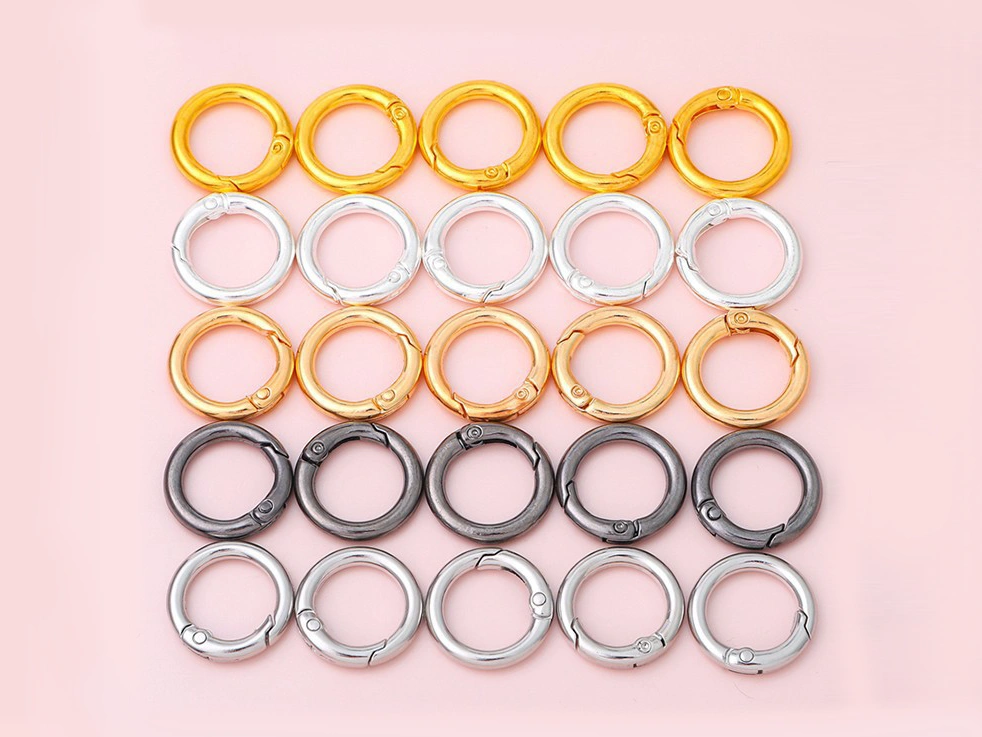
Metal finishing includes many processes used to improve the appearance, protection, and performance of metal components. This guide explains ten common methods, including polishing, brushing, tumbling, blasting, electroplating, anodizing, powder coating, passivation, black oxide, and galvanizing. Each method changes the metal surface in a different way and is suitable for different materials and applications. Understanding these differences can help product designers and buyers choose a finish based on corrosion resistance, appearance, wear, dimensions, and the intended working environment.【Detailed】
2026-06-25
-
How to Put a Belt Buckle on a Belt: A Simple Guide
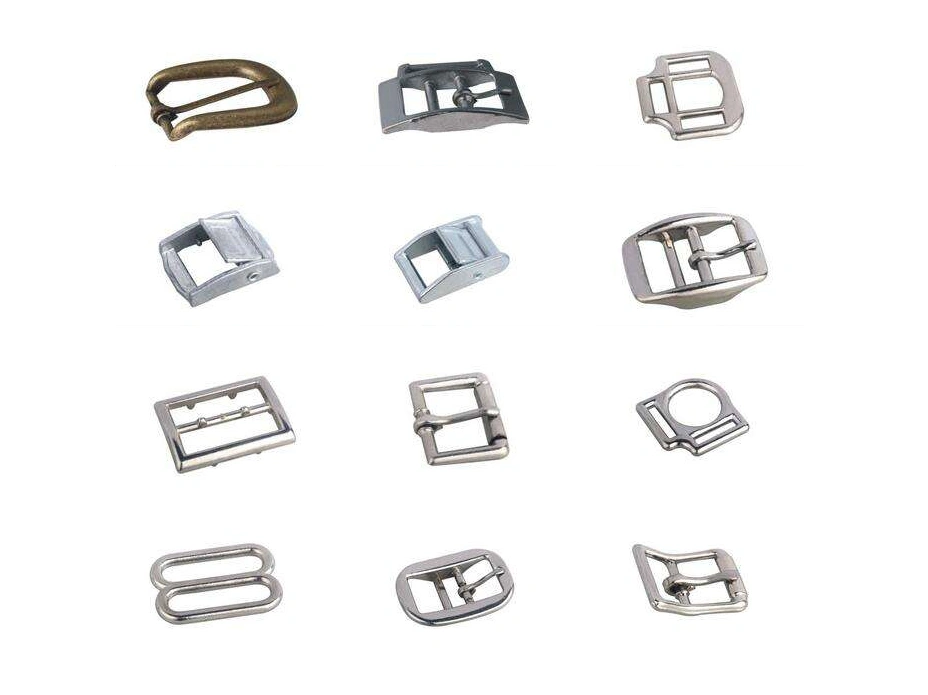
How do you put a belt buckle on a belt? The answer depends on the buckle and attachment method. This practical guide explains how to install a traditional pin buckle, work with snap or screw attachments, replace an existing buckle, and check whether a replacement buckle will fit. It also covers common sizing problems and explains why product manufacturers should test buckles with the actual leather or webbing used in production. Correct fit helps improve both function and finished appearance.【Detailed】
2026-04-03
-
Steel Types Explained: Carbon, Alloy and Stainless Steel
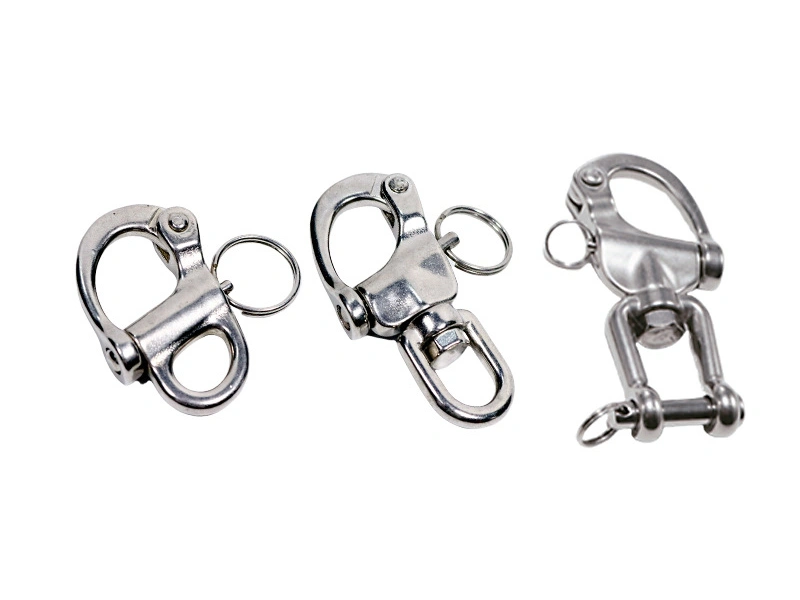
Steel is not a single material. Carbon steel, alloy steel, stainless steel, spring steel, and tool steel have different compositions, properties, and applications. This guide explains the main differences in simple terms, including strength, corrosion resistance, flexibility, wear resistance, and typical uses. It also explains why spring steel can overlap with carbon, alloy, and stainless steel rather than being a completely separate material family. The guide helps hardware buyers choose steel based on load, environment, manufacturing needs, and expected service life.【Detailed】
2026-02-10
-
How to Choose a Carabiner Keychain for Everyday Use
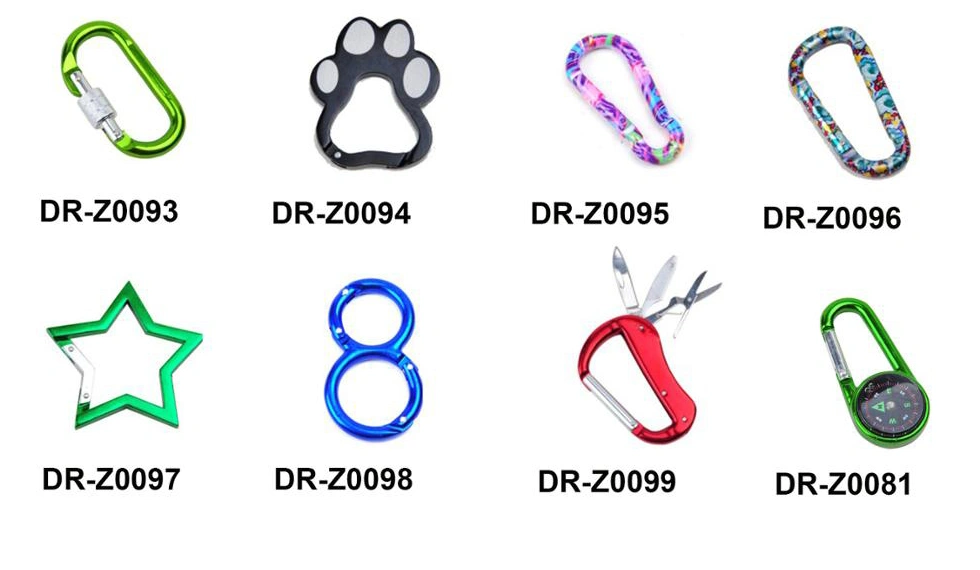
Choosing a carabiner keychain starts with understanding how it will be used. Size, gate opening, material, finish, weight, and attachment style all affect the final experience. Aluminum can be useful for lightweight designs, stainless steel for corrosion resistance, steel for a solid feel, and zinc alloy for detailed decorative hardware. This guide explains the main factors to consider when selecting a carabiner keychain for everyday carry, outdoor products, and branded accessories, while also covering customization considerations for product designers.【Detailed】
2026-01-22
-
Brass vs. Bronze vs. Copper: How Are They Different?

Brass, bronze, and copper are related copper-based materials, but their compositions and applications are different. Copper is a pure metal known for excellent electrical and thermal conductivity. Brass is primarily a copper-zinc alloy valued for machinability, strength, corrosion resistance, and appearance. Bronze traditionally contains copper and tin and is often selected for wear resistance and low-friction applications. This guide compares their composition, manufacturing behavior, corrosion, color, common products, and typical uses to help buyers choose the right material.【Detailed】
2025-12-10
-
Aluminum Alloy vs Stainless Steel: Which Material Is Better?
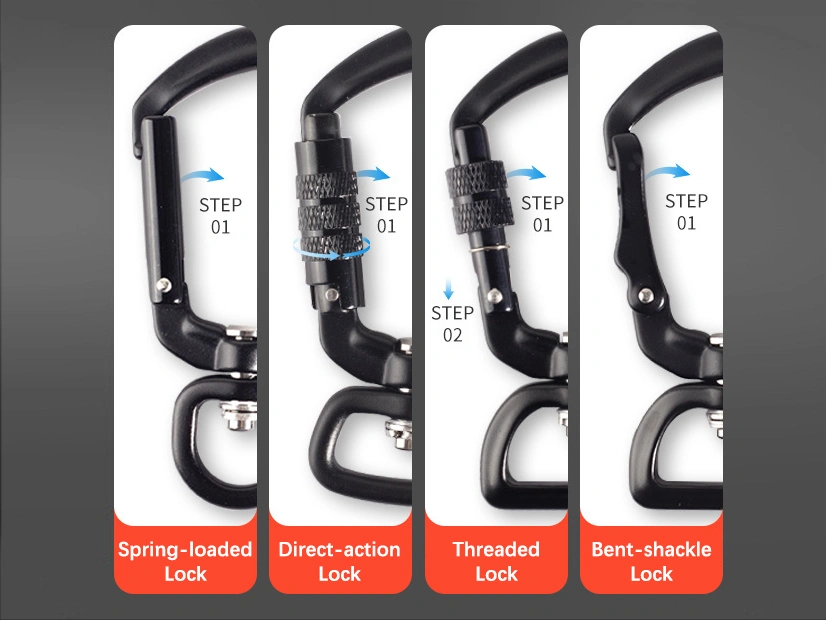
Aluminum alloy and stainless steel are both widely used in metal hardware, but they offer different advantages. Aluminum is lightweight and can provide a strong strength-to-weight ratio, while stainless steel is generally heavier and valued for strength, durability, and corrosion resistance. This article compares their weight, strength, corrosion behavior, manufacturing characteristics, finishes, and outdoor applications. It also explains how the choice changes for products such as carabiners, connectors, and custom hardware, helping designers select the material that best matches the intended use.【Detailed】
2025-11-19
-
What Are the Different Types of Belt Buckles?
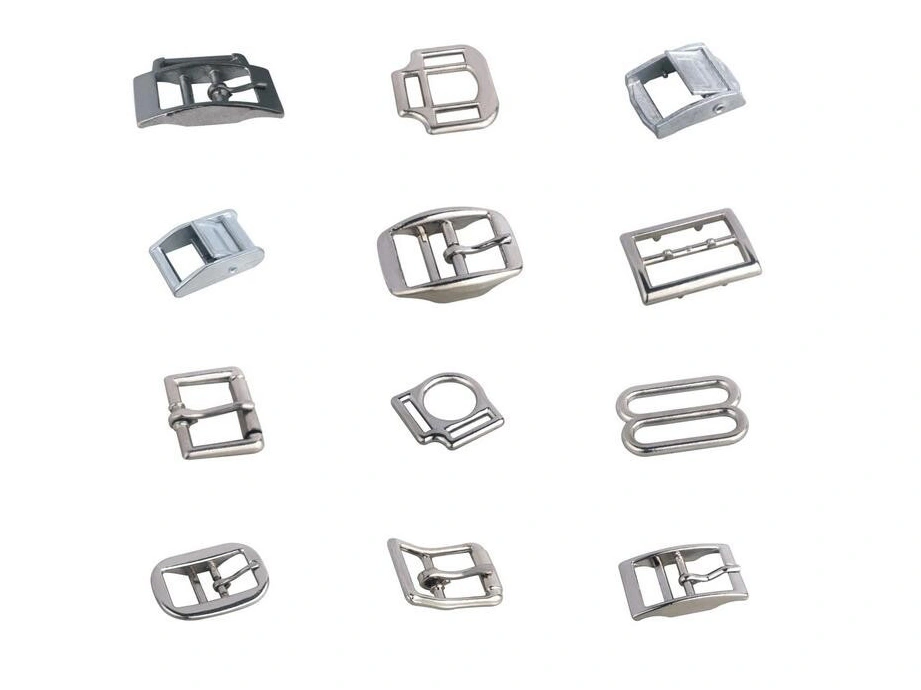
What are the different types of belt buckles? Pin, roller, plate, ratchet, D-ring, O-ring, side-release, snap, slide, and lever buckles all use different fastening methods. This guide explains how each type works, where it is commonly used, and what to consider when selecting buckle hardware. It also covers common materials such as zinc alloy, stainless steel, brass, and aluminum alloy, plus basic customization options for brands developing belts, bags, pet products, outdoor accessories, and other strap-based products.【Detailed】
2025-08-18
-
Alloy vs Pure Metal: What Is the Difference
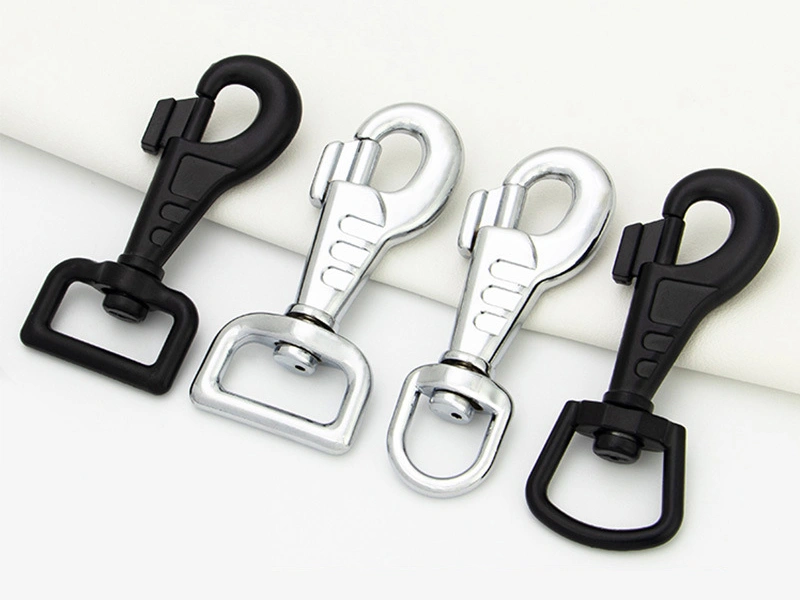
Alloys and pure metals differ mainly in composition, but that difference can affect nearly every part of a manufactured product. This article compares pure metals with alloys in terms of strength, corrosion resistance, machining, appearance, manufacturing, and hardware applications. Examples include copper, brass, bronze, aluminum alloys, zinc alloys, steel, and stainless steel. Rather than treating alloys as automatically better, the article explains why material selection depends on the performance, manufacturing process, appearance, and cost requirements of each individual product.【Detailed】
2025-07-18
-
What Is Rigging Hardware? Types, Uses & Selection
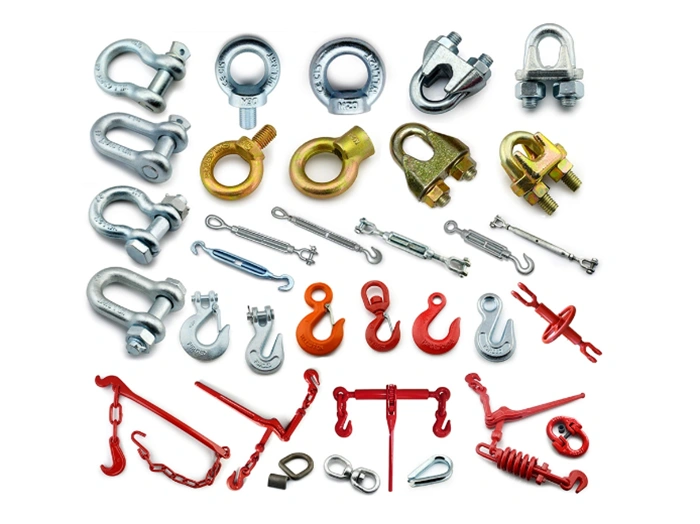
Rigging hardware includes metal components such as shackles, hooks, turnbuckles, rings, pulleys, swivels, and connecting links used to build rigging and load-handling systems. Choosing the right component requires understanding the load, application, environment, compatibility, and applicable requirements. DuraStark supplies customized metal hardware for international customers and supports product development, tooling, production, and quality control. Its product range covers rigging, pet hardware, outdoor accessories, and general hardware for different OEM and sourcing applications.【Detailed】
2025-06-05
-
What Is an Alloy? A Simple Guide to Metal Alloys
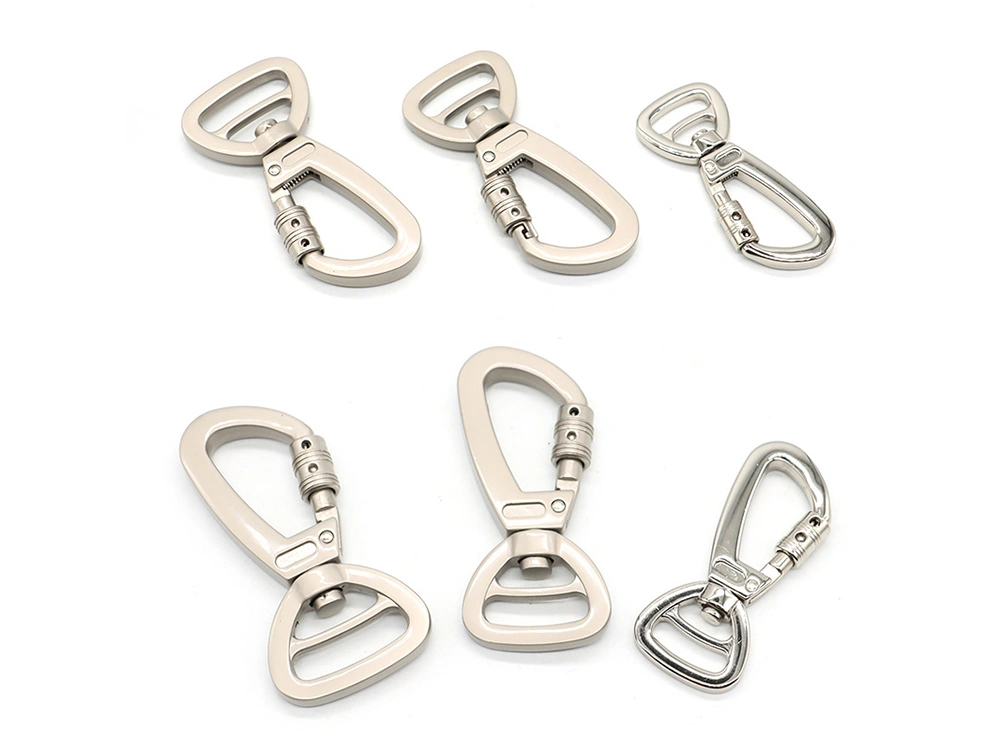
An alloy is an engineered material made by combining a base metal with other elements to change its properties. This guide explains what alloys are, how they are made, why manufacturers use them, and how common materials such as steel, stainless steel, brass, bronze, aluminum alloy, and zinc alloy differ. It also explains why alloy selection matters in metal hardware and product manufacturing, where strength, corrosion resistance, weight, machinability, appearance, and manufacturing requirements all need to be considered.【Detailed】
2025-05-14
-
What Is a Carabiner Keychain? A Simple Guide to How It Works
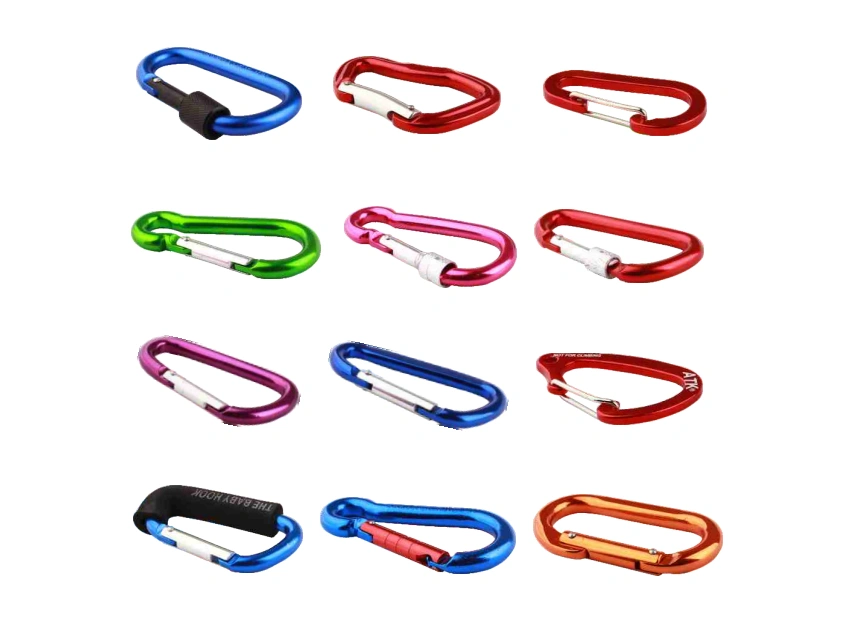
A carabiner keychain is a practical metal accessory designed to hold keys and attach them quickly to bags, backpacks, belt loops, and other everyday items. Although it resembles climbing equipment, a standard carabiner keychain is generally intended for lightweight accessory use rather than safety-critical applications. This guide explains how carabiner keychains work, common materials, everyday uses, customization options, and the differences between accessory carabiners and climbing-rated products. It also introduces key considerations for brands developing custom carabiner keychains.【Detailed】
2025-03-18
-
What Is a Snap Hook? Types, Materials and Uses
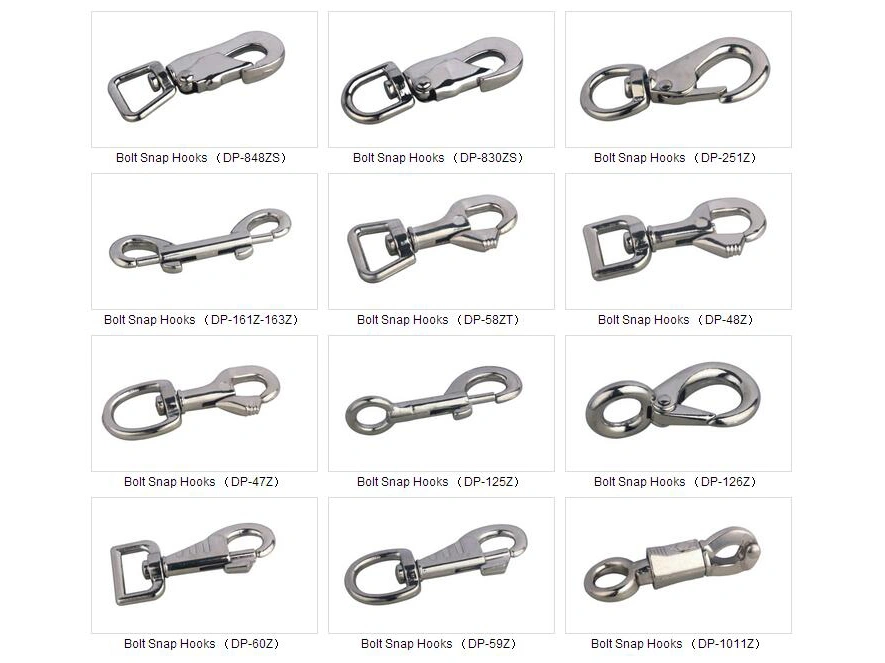
A snap hook is a metal connector with a spring-loaded gate that allows components to be attached and released quickly. Snap hooks are available in fixed-eye, swivel, screw-lock, double-end, and other designs. Materials include stainless steel, zinc alloy, carbon steel, brass, and aluminum alloy. This guide explains how snap hooks work, how they are made and measured, and where they are commonly used. DuraStark provides customized metal hardware development and manufacturing for pet, outdoor, rigging, and general hardware applications.【Detailed】
2025-01-07
-
Pet Leash Hardware: Snap Hooks, Buckles and D-Rings Explained

Pet leash hardware includes snap hooks, swivel hooks, buckles, D-rings, O-rings, adjusters, and other metal components. Each part has a different function and must work with the leash's webbing, dimensions, and intended application. Zinc alloy, stainless steel, and brass are common material choices, while different plating options can create distinct appearances. This guide explains the main components used in pet leashes and how brands can work with a hardware manufacturer to develop customized, consistent products.【Detailed】
2024-12-10
-
Alloy Steel vs. Stainless Steel: What Is the Difference?
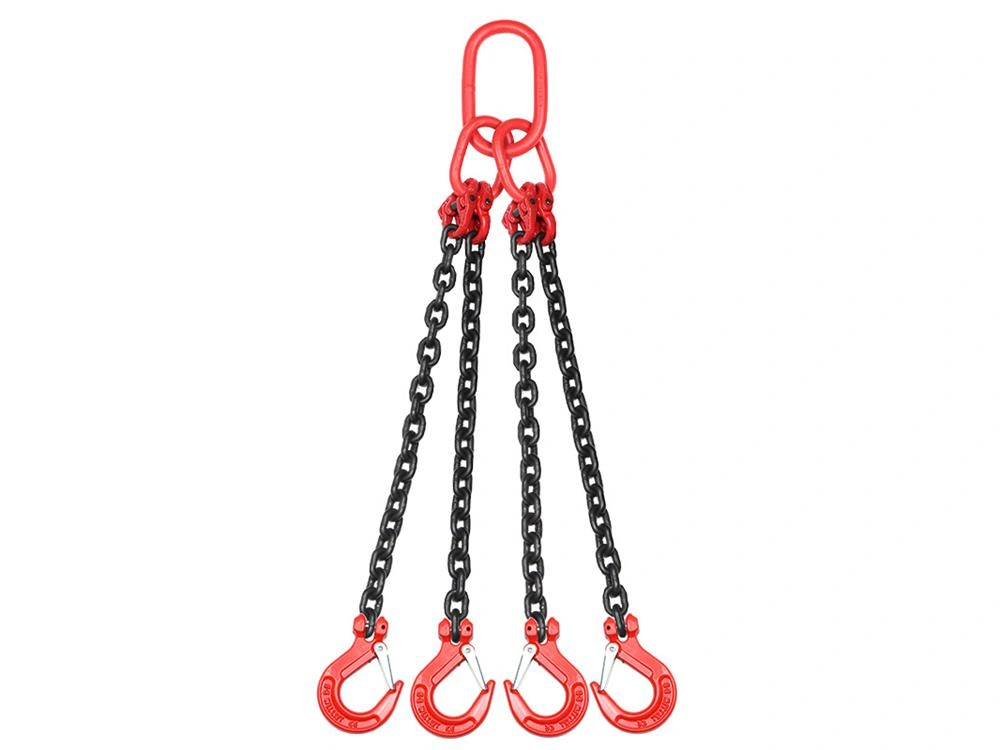
Alloy steel and stainless steel are closely related, but they are not the same material category. Stainless steel is a specific type of alloy steel with significant chromium content and strong corrosion resistance. This guide compares alloy steel and stainless steel by strength, corrosion resistance, wear performance, heat treatment, cost, and typical applications. It also explains why material selection should be based on specific steel grades and working conditions rather than broad material names when sourcing custom hardware or mechanical components.【Detailed】
2024-11-05
-
What Is Brass Made Of? Composition, Color, Properties and Uses
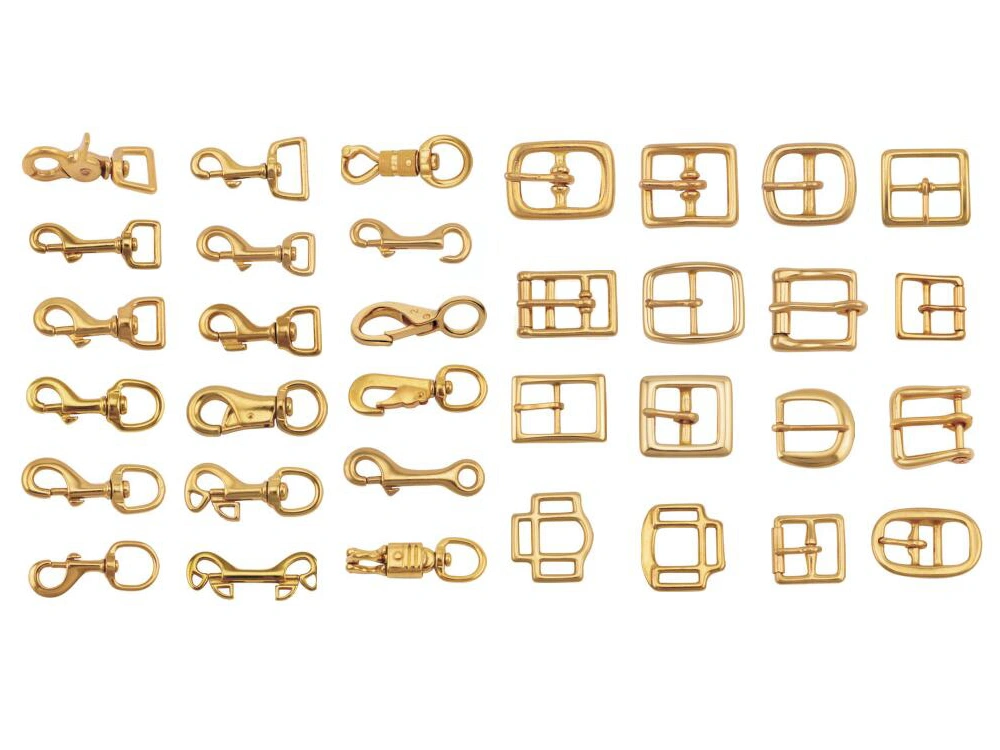
Brass is a copper-zinc alloy used in hardware, plumbing, electrical components, musical instruments, and decorative products. The proportion of copper and zinc can vary, creating different brass grades with different levels of strength, hardness, color, and machinability. This article explains what brass is made of, why zinc is added to copper, why brass has a golden color, whether brass can rust, how dezincification occurs, and why material selection matters when manufacturing custom metal products.【Detailed】
2024-10-07
-
Is Alloy Steel Strong? Strength, Hardness and Material Selection

Is alloy steel strong? Many alloy steel grades offer high strength, hardness, toughness, and wear resistance, but performance depends on the exact grade, chemical composition, heat treatment, and manufacturing process. This guide explains the difference between strength and hardness, how tensile and yield strength affect component design, and why materials such as 4140 are widely used for demanding mechanical parts. It also provides practical guidance for selecting alloy steel for custom hardware where load, wear, impact, environment, and cost all matter.【Detailed】
2024-07-30